
Supported by the Korea Green Growth Trust Fund (KGGTF), the World Bank is helping Tanzania strengthen one of East Africa's most important transport corridors through digital innovation.
Every year, heavier rainfall, flooding, and other climate-related hazards increasingly threaten transportation networks across Africa. For Tanzania, protecting the Central Corridor Railway is especially important. The corridor connects Tanzania's Port of Dar es Salaam with inland markets and neighboring 6 land-linked countries, supporting regional trade, agricultural and mining value chains, and the movement of millions of people and goods.
To help strengthen the railway's resilience, the World Bank, with support from the Korea Green Growth Trust Fund (KGGTF), is developing an Intelligent Transportation System (ITS) and Geographic Information Systems (GIS)-based Climate Resilience Framework that enables railway operators to anticipate climate risks before they disrupt operations. Rather than responding after disasters occur, the system will provide real-time information to support faster decisions, improve safety, and reduce service interruptions.
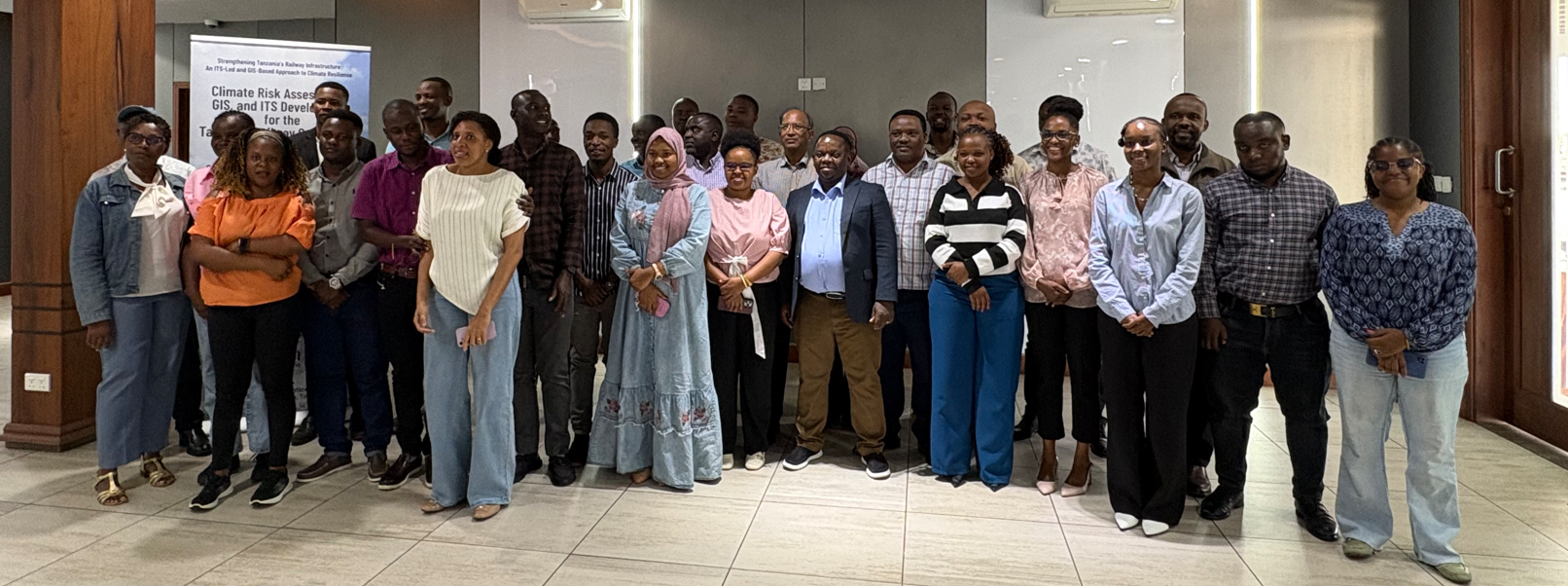
An important milestone was reached on June 8-9, 2026, when government agencies, railway operators, technical experts, and development partners gathered in Morogoro, Tanzania, to review the proposed framework, validate its design, and discuss the pathway toward implementation.
Building a smarter railway
Traditional railway monitoring often relies on periodic field inspections and manual reporting. The proposed ITS framework shifts this approach from reactive to predictive by integrating rainfall gauges, river-level sensors, weather forecasts, hydrological monitoring, and GIS into a centralized operational platform.
The system will enable railway operators to monitor environmental conditions in real time, identify vulnerable infrastructure, receive early warnings, and respond more effectively before flooding or other climate hazards disrupt operations. By combining climate information with railway management, the framework aims to improve safety, reduce maintenance costs, and strengthen the long-term resilience of this critical transport corridor.
Technology powered by partnership
Building climate resilience requires more than technology.
The workshop brought together representatives from the Tanzania Railways Corporation (TRC), Tanzania Meteorological Authority (TMA), Wami/Ruvu Basin Water Board (WRBWB), National Irrigation Commission (NIRC), the Ministries of Transport and Water, the World Bank, and technical partners to establish a shared vision for implementation. Discussions focused on institutional responsibilities, data sharing, communication protocols, and long-term system ownership.
This collaborative approach reflects one of KGGTF's greatest strengths—supporting not only innovative technologies, but also the partnerships, knowledge exchange, and institutional capacity needed to translate innovation into long-term development impact.
Turning climate data into operational decisions
A central theme throughout the workshop was ensuring that climate information supports practical railway operations.
Participants reviewed field assessments, proposed sensor locations, and monitoring strategies, while emphasizing that warning thresholds should reflect local hydrological conditions and operational experience. Rather than replacing human judgment, the system is designed to provide railway operators with better information to make faster, more informed decisions during both routine operations and extreme weather events.
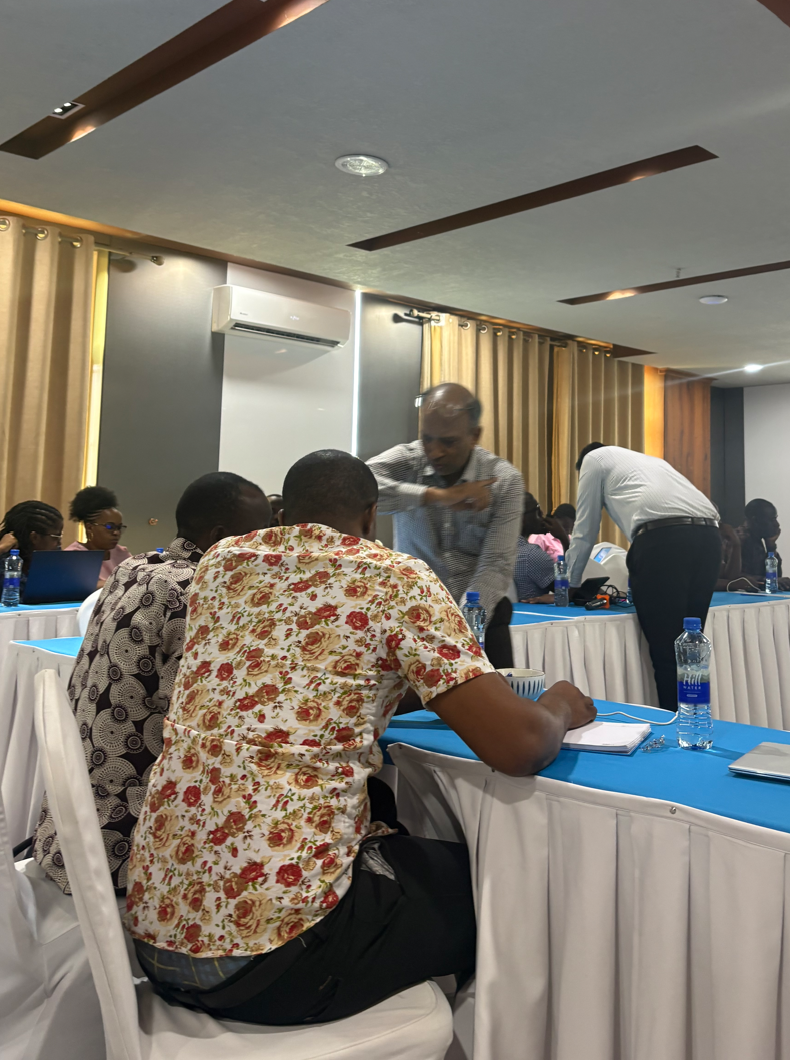
The second day focused on hands-on technical training, introducing participants to the integrated GIS dashboard, interactive mapping tools, monitoring workflows, and reporting functions that will support long-term operation and maintenance of the system.
A model for climate-smart infrastructure
As climate risks intensify, infrastructure operators around the world are looking for practical ways to integrate climate information into everyday decision-making.
Tanzania's experience demonstrates how ITS, GIS platforms, hydrological monitoring, and weather forecasting can work together to strengthen infrastructure resilience while improving operational efficiency. The Morogoro workshop marked an important step toward implementation, with stakeholders agreeing on priorities for refining the framework, deploying monitoring equipment, and advancing the operational platform.
For the World Bank and the Korea Green Growth Trust Fund, the initiative illustrates how digital innovation, institutional collaboration, and knowledge sharing can help countries move from reacting to climate disasters toward anticipating and managing climate risks before disruptions occur.
As Tanzania moves toward implementation, the project offers a promising model for how smarter, climate-informed infrastructure can strengthen regional connectivity, support economic growth, and build resilience across Africa's transport networks.